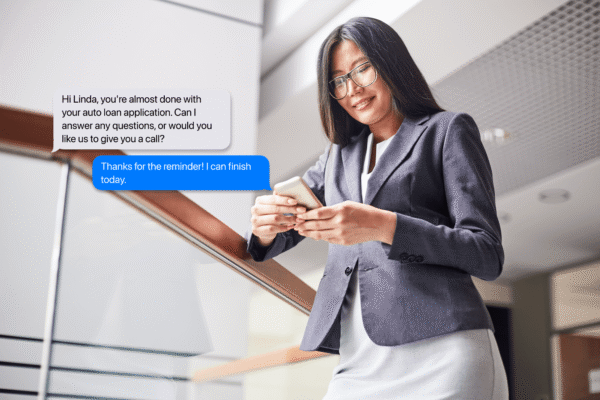



SMS has the highest open rate of any other communication channel. Not only are 98% of SMS messages opened, but 95% are read and replied to within 3 minutes. This makes it an ideal messaging platform for businesses that struggle to cut through the digital noise. With social media algorithms burying posts and spam filters blocking legitimate emails, SMS is a perfect solution to reach customers. This guide will provide you with what you need to launch effective mass texting campaigns that will generate real business results.
Why Mass Texting Dominates in 2026
Let’s start our exploration of SMS messaging by looking at why it will be a dominant channel in 2026. It comes down to two key factors:
Performance Metrics That Matter
Across many of the metrics that matter most, SMS performs better than the alternatives. Text messaging benefits from a 98% open rate, whereas email lags at just 21%. The average response time for SMS messages is just 90 seconds, while email can take hours or even days. The messages that get through also convert better and experience higher click-through rates than email does. For any message that’s time-sensitive or requires an action from customers, SMS is a clear winner.
The Mobile-First Reality
Smartphones have become the primary communication device for users in most age groups. As such, text messages have become a preferred channel for business communication. This should come as no surprise; the average professional gets flooded with emails every day. Those that don’t get buried in the inbox get hidden away in the spam folder. Compared to the instant visibility of text messages, it’s no wonder everyone from Gen Z to Boomers has embraced SMS messaging.
Strategic Use Cases for Mass Texting
The more intimate nature of SMS means mass texting isn’t suitable for every type of communication, but it does have a wide range of uses due to its immediate nature and high open rates. Some areas where SMS messaging shines include:
Promotional Campaigns
Promotional campaigns are almost always time-sensitive. Whether it’s getting a customer’s attention before a holiday sale ends or trying to drive launch sales up as high as possible to feed retail algorithms, SMS messaging is a great choice for:
- Flash sales and limited-time offers
- New product launches
- Exclusive deals for SMS subscribers
- Event announcements and ticket sales
Customer Service and Updates
Major retailers and gig economy apps have conditioned the public to receive immediate notifications when orders are received, and products are shipped and delivered. SMS is the fastest way to deliver:
- Order confirmations and shipping notifications
- Delivery updates and tracking information
- Service appointment confirmations
- Account alerts and security notifications
- Two-way conversations for quick customer support
Appointment Reminders and Scheduling
No-shows and late cancellations are a big problem for the medical industry or anyone else who relies on appointments. Email’s low open rate and the possibility of getting caught in spam filters make SMS a much more effective way to send:
- Healthcare appointment confirmations
- Service business booking reminders
- Reductions in no-shows and late cancellations
- Easy rescheduling through text replies
Customer Retention and Loyalty
Personalization has long been a great way to build customer loyalty. This is even more important with SMS, which is a more intimate form of communication than email. Personalized SMS messages are great for:
- Birthday and anniversary messages
- Loyalty program updates and rewards
- Re-engagement campaigns for dormant customers
- Personalized recommendations based on purchase history
- Post-purchase follow-ups and review requests
Building Your SMS Subscriber List Properly
Just like an email list, it’s important to build an SMS subscriber list properly. SMS can be more invasive than email if abused, making it easier to annoy customers with improperly obtained or used SMS subscriptions.
Compliance Foundation
To remain compliant with any relevant regulations and stay in the good graces of customers, it’s important to obtain explicit opt-in consent before sending any SMS messages. For best results, provide a clear disclosure of message frequency and content. Each message should include an easy opt-out mechanism. Be sure to keep a detailed record of how you’ve acquired each phone number in case of a compliance audit.
Ethical List-Building Strategies
To start building your list, you’ll need to ask customers or potential customers for their phone numbers. Some ethical places to do so include:
- Website pop-ups and embedded forms
- Point-of-sale tablet sign-ups
- QR codes on receipts, packaging, or marketing materials
- Keyword campaigns (e.g., “Text JOIN to 12345”)
- Social media promotion of the SMS list
Segmentation from the Start
Your SMS messages should be highly relevant to the person they’re sent to. If they aren’t, the recipient will be annoyed and opt out. This can lose you a customer and also damage your brand’s reputation. To keep messages relevant, customer segmentation should occur as early as possible. During opt-in, collect as much of the following information as practical and applicable:
- Collecting preference data during opt-in
- Geographic segmentation
- Interest-based categories
- Purchase history segments
- Engagement level groups
Some of this information will need to be asked of the subscriber at sign-up, while others will come from data you already have stored about them.

Text Compliance Requirements You Must Know
SMS messaging is very effective, but it can go south quickly if you don’t follow the necessary compliance requirements. There are three key areas of concern:
Legal requirements – The TCPA requires express consent before sending marketing texts. With penalties from $500 to $1500 per violation, failure to have proper opt-in procedures can be costly. CTIA guidelines dictate proper opt-in/opt-out mechanisms, content restrictions, and frequency limitations.
Carrier requirements – Telecom carriers have their own requirements to keep spam off their networks. This includes 10DLC registration requirements, throughput limits, and A2P messaging standards.
Industry-specific rules – Several industries have their own regulations for communication, like HIPAA for healthcare and GLBA for financial services, that add a layer to compliance.
Crafting Text Messages That Convert
Once you’ve got your list, you’ll need to craft some messages to send. Creating a message that converts requires careful thought. The guide below will help you write winning messages.
The Anatomy of Effective SMS Messages
An effective SMS message is concise, ideally under 160 characters and not exceeding 320. You should lead with the value proposition and end with a single, clear call to action. The message should create urgency without being pushy.
Tone and Voice Guidelines
The tone you use should be conversational, but remain professional and avoid any overly salesy language. More importantly, it should clearly identify your brand and match your brand personality. Each message should be personalized to the user, but in a natural way.
Timing and Frequency Best Practices
The optimal time to send a text message is between 10 a.m. and 8 p.m. local time. Early mornings and late nights are more likely to annoy users who have odd schedules. The sweet spot for promotions is between 2-4 messages per month, though transactional/service messages can be as frequent as needed.
Launching Your First Mass Texting Campaign
Now that you know how to create a quality message strategy, you can begin planning your first campaign. The steps below will help you through that process.
Pre-Launch Checklist
The first step is to make sure you’ve got everything ready for your campaign. You don’t want to realize pieces are missing after you’ve sent a huge batch of messages out. Check for the items below before continuing:
- Verify compliance setup
- Segment your audience
- Craft and test messages
- Set up tracking links
- Prepare landing pages
- Schedule optimal send time
Platform Selection Criteria
You’ll need a technology partner to launch your SMS campaigns. As you look through the options, make sure the one you choose has compliance features to keep you legally protected. It should also integrate with the software your company uses and output the analytics and reporting needed to track success. Platforms like Verse come with a wealth of AI and automation tools to increase your productivity.
Testing and Quality Assurance
Before you send live messages to actual subscribers, there are a few things you’ll want to test to ensure a smooth experience for them. First, send some test messages to multiple carriers to ensure there are no issues with delivery. The test messages should contain the links you want to send to actual subscribers, so you can verify they open and display correctly. Finally, test to ensure that personalization fields populate correctly and that the opt-out mechanism works.
Emerging Trends: Mass Texting Using AI and Automation
The SMS messaging landscape is changing quickly, with AI and automation radically transforming the way businesses communicate. These tools enable even the smallest company to effectively use SMS marketing techniques.
AI-Assisted Personalization
AI tools allow for dynamic content based on customer data, allowing for greater personalization. This includes intelligent segmentation to determine which subscribers will like which content. They’ll also be able to calculate the ideal timing to optimize engagement.
Conversational AI for Two-Way Texting
Tools like Verse’s conversational AI allow you to have virtual staff members having conversations with subscribers when your human staff are off work. AI can handle tasks like:
- Automated qualification conversations
- FAQ handling without human intervention
- Appointment scheduling bots
- Lead nurturing workflows
Transform Customer Communication
Verse goes beyond basic mass texting to deliver intelligent, two-way conversations at scale. Our AI-powered platform qualifies leads, books appointments, and engages customers 24/7, while keeping you in compliance and maintaining human oversight. If you’re ready to transform your customer communication, book a demo today to see how Verse can turn text messaging into revenue growth.