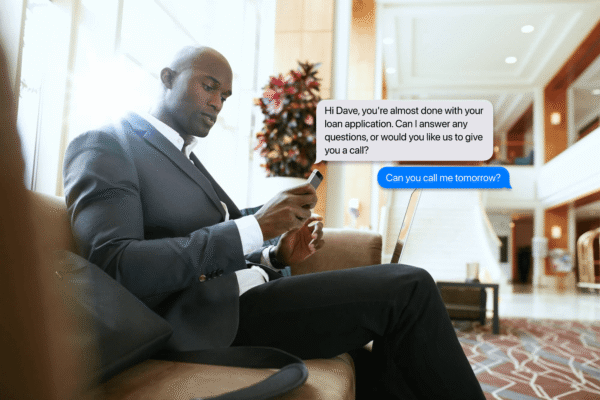



Most people won’t buy right away, but they still expect a response from your business right away. That’s why an effective lead nurturing strategy suffers without instant speed to lead.
While lead nurturing gets most of the attention in marketing playbooks, speed to lead gets far less—even though it decides whether your nurturing ever gets a fair shot. A prospect who reaches out and waits hours (or days) for a reply is already cooling off, and no nurture sequence can fully repair that first impression.
This post covers what a lead nurturing strategy is, why it pays off, and why pairing it with a fast initial response is the combination that lifts conversion.
What is a lead nurturing strategy?
Lead nurturing is the process of building and strengthening relationships with prospective buyers at every stage of the sales funnel, from first interest through the purchase decision. The goal is to stay helpful and relevant until a prospect is ready to buy by nurturing their interest.
A lead nurturing strategy is the plan behind lead nurture. It spells out who you contact, what you send, which channel you use, when you follow up, and what you want each touch to accomplish.
Lead nurturing is not just email. Automated email sequences are one part of a much larger conversation with the lead. Effective nurture programs rely on a multi-channel approach that can include email, text, phone calls, voicemail, social media, and content.

Why should marketing have a lead nurturing strategy?
Leads are rarely ready to buy the day they show up. A RAIN Group report found that fewer than 25% of new leads are truly sales-ready, so the rest need time, information, and follow-up.
A nurturing strategy is how marketing keeps your pipeline from going to waste by establishing trust with leads, keeping leads warm and engaged, and driving them towards a purchase decision.
The benefits of lead nurturing are well-documented:
- Forrester Research found that companies that excel at lead nurturing generate 50% more sales-ready leads at 33% lower cost.
- Nurtured leads make 47% larger purchases than non-nurtured leads (via HubSpot).
- Revenue growth. Gartner research, as cited by Madison Logic, found that companies that automate lead management see a 10% or greater increase in revenue within 6 to 9 months.
Why speed to lead matters
Speed to lead is the time between a prospect reaching out and hearing back from you. It is the first moment of your nurture strategy, and it is the moment a prospect’s interest is highest.
That’s why the two belong together. Nurturing builds the relationship over time. Speed to lead is the beginning of that relationship. A fast first response lifts conversion and shows the prospect you value them. A slow one hands them to a competitor before your nurture sequence ever begins.

Conversion rates
The most-cited research on response time points the same way: the faster you respond, the more leads you turn into conversations and customers.
- 5 minutes vs. 30 minutes. A Lead Response Management study found that contacting a lead within 5 minutes makes you about 21 times more likely to qualify that lead than waiting 30 minutes.
- 1 hour vs. a day. A Harvard Business Review study of 2,241 U.S. companies found that firms contacting leads within an hour were nearly 7 times as likely to qualify them as firms that waited even one more hour, and more than 60 times as likely as those that waited 24 hours or longer.
- Under 1 minute. Chili Piper reports that teams responding within one minute see up to 391% higher conversions. (via Verse)
Meanwhile, most businesses are slow: a 2024 RevenueHero study of more than 1,000 companies found an average of over 29 hours, with only 17% responding instantly (via Verse).
Trust
Speed also builds trust in an invisible way. A quick reply tells a prospect you are paying attention and ready to help, which is the foundation every later nurture touch builds on.
People expect fast replies. Salesforce’s State of the Connected Customer report found that 77% of customers expect to interact with someone immediately when they contact a company.
In the same way, people read meaning into a slow reply. In education, where schools compete for prospective students, RNL found that 48% of online students expect a response within three hours, and 45% say a slower-than-expected response means they are not important to the program.
Buyers agree. A Velocify and PossibleNOW survey of 1,000+ U.S. adults who had submitted online inquiries found that 72% of business inquirers and 61% of personal inquirers believe the first company to call has an advantage.
The same survey found:
- Only 6% of buyers sent their inquiry to a single company—most contacted three or more.
- 64% of business inquirers said slow responses influenced their decisions.
- 29% of business buyers said not hearing back within an hour would make them question a company’s attentiveness.
- 7 in 10 business buyers had submitted a form and never heard back.
It’s clear: with most buyers contacting several companies, the first reply is likely to shape their impression, and a slow reply has to work against it.
The ideal nurturing workflow: respond first, build trust over time with helpful nurturing, then close the sale.
Best practices for your lead nurturing strategy
Implement speed
Make sure every new lead gets a response quickly from the first interaction and on.
Five minutes or less is the target, and faster is better. That first reply establishes trust and credibility before your competitors have opened the inquiry.
Response should be consistent. Leads arrive at night, on weekends, and during busy hours, so a human team cannot answer every one immediately. Automation and AI solve this. Verse, for example, deploys AI agents across webchat, text, email, and phone, powering 24/7, two-way conversations and instant response to engage, qualify, and convert leads.
Helpful, thoughtful outreach
The goal of nurturing is to be genuinely helpful while the prospect is deciding, then guide them toward a purchase. That means no generic promotional blasts. Send the content that fits the question this person is actually asking.
Personalization matters because buyers notice when it is missing. McKinsey research found that 71% of consumers expect personalized interactions, and 76% get frustrated when they do not receive them.
Match the outreach to the lead. For example, if a mortgage lead comes in as a first-time homebuyer, they should receive a guide to buying their first home, while a refinance lead gets a refi guide.

Scheduled follow-up
Nurture is not one-and-done. It continues over time, so build sequences of touchpoints that keep prospects engaged, and follow up at the right moment for each person.
If a lead says they are not ready now but will be in six months, put a reminder on the calendar and reach out right when they said they would be ready. That follow-up feels thoughtful instead of pushy because the prospect asked for it.
Set touchpoints are also a good idea, and preferred by consumers. In the Velocify and PossibleNOW survey, about 3 in 4 respondents were fine with 2 to 4 calls in a 30-day period, and roughly 8 in 10 wanted 1 to 4 emails in that time.
Omnichannel lead nurture
Nurture works best across channels: text, email, voicemail, social, and phone. Do not limit outreach to email.
- Texting is personal and immediate. It reaches leads anytime, anywhere, without getting buried in an inbox. YouGov reports that 85% of U.S. adults use text messaging or messaging apps multiple times per week, making it the leading channel across every generation and gender group. 98% of texts are read.
- Email is still the right home for guides, comparisons, and detailed information.
- Voicemail works well for high-impact messages, such as following up on an application.
- Social helps you stay visible between direct conversations.
Open lines of communication
Make it easy for prospects who are ready to talk. Let them reply to your emails and texts, and respond back fast. Two-way communication builds a stronger connection than one-way broadcasts.
It also protects your pipeline. In the Velocify and PossibleNOW survey, lack of any response was the top complaint about bad online inquiry experiences. A prospect who replies to your text and hears nothing back has the same experience, just later in the process—leaving lead nurture efforts lackluster.
Combining lead nurturing and speed to lead
Lead nurturing and speed to lead are two powerful tools for marketers, and they deliver the most when used together. Speed to lead wins the first conversation and the prospect’s trust. Lead nurturing keeps that conversation helpful and relevant until they are ready to buy.
The right automation and AI tools, built specifically for lead engagement and nurture, let you do both without any extra effort.
Verse nurtures leads with AI agents across webchat, text, email, and phone, plus 24/7 two-way conversations and instant response to engage, qualify, and convert leads.
When you evaluate any speed to lead and lead nurturing platform, make sure it:
- Responds to every new lead in under five minutes, ideally under one, including nights and weekends
- Holds two-way conversations that answer questions and detect intent
- Reaches leads on the channels they use: text, email, phone, voicemail, and webchat
- Personalizes outreach based on the lead’s source, intent, and/or stage
- Schedules long-term follow-up and re-engages leads at the time they said they would be ready
- Integrates with your CRM so every touch is tracked in one place
- Supports marketing compliance, including consent, opt-outs, and quiet hours
Verse: Lead nurture and speed to lead in one solution
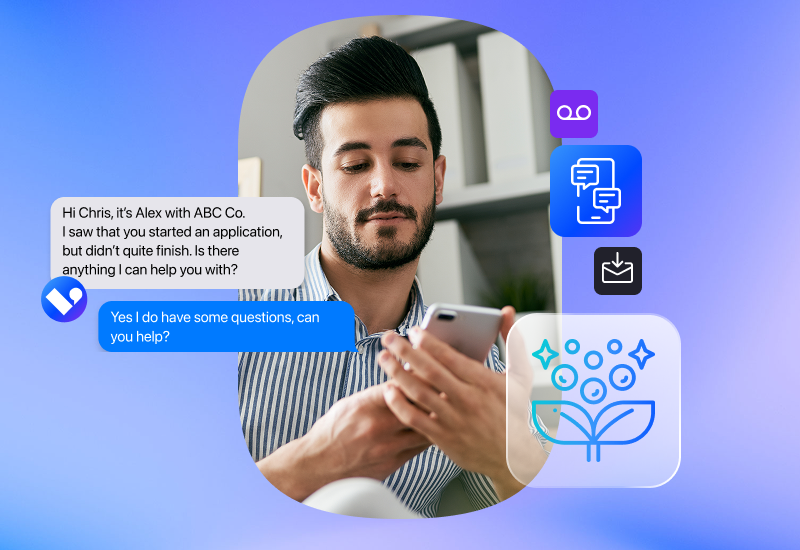
Verse is an AI agent platform that handles the entire nurture workflow, across SMS, email, and phone—with instant speed to lead with every interaction. Our AI agents respond in 15 seconds or less, 24/7.
Not only does Verse engage new leads instantly, it can also qualify them through natural two-way conversations, nurture leads across channels for up to six months, and book appointments with prospects who are ready to move forward.
Ready to level up your lead nurture? Book your personalized demo to see what Verse can do for you.
Key takeaways
- Lead nurturing means building relationships with prospects at every stage of the funnel, across every channel, not just email.
- Fewer than 25% of new leads are sales-ready, so a nurturing strategy keeps the rest from going to waste.
- Most buyers contact several companies, and 77% of customers expect to interact with someone immediately when they contact a company.
- Aim for a first response in five minutes or less, using automation or AI to ensure nights, weekends, and busy hours are covered.
- Make outreach helpful and personal: match the content to why the lead reached out, and follow up when they said they would be ready.
- Use text, email, voicemail, and social together, and keep lines open so leads can reply and get a fast answer.
FAQ
What is lead nurturing?
Lead nurturing is the process of building and strengthening relationships with prospective buyers at every stage of the sales funnel. It uses relevant content, helpful outreach, and timely follow-up to guide leads toward a purchase.
What is a lead nurturing strategy?
A lead nurturing strategy is the plan for how and when you nurture leads. A good strategy covers email, text, phone, voicemail, and social, not just email.
What is speed to lead?
Speed to lead is the time between a prospect reaching out, such as filling out a form or sending a message, and your first response. It is one of the biggest factors in whether a lead converts.
What is a good speed to lead?
Five minutes or less. Faster is better, and responding within one minute is the ideal.
Why does speed to lead matter for conversion?
A prospect’s interest is highest right when they reach out. A Harvard Business Review study found that firms contacting leads within an hour were nearly 7 times as likely to qualify them as firms that waited one more hour. Delays give prospects time to cool off or contact a competitor.
Do buyers really favor the first company to respond?
Generally, yes. In a Velocify and PossibleNOW survey, 72% of business inquirers and 61% of personal inquirers said the first company to call has an advantage. The survey measures buyer perception, but it shows why the first response shapes the relationship.
How often should you follow up with a lead?
It depends on the lead and industry, but a steady cadence tends to be best. In the Velocify and PossibleNOW survey, about 3 in 4 respondents were fine with 2 to 4 calls in 30 days, and roughly 8 in 10 wanted 1 to 4 emails. Always follow up when a lead says they will be ready.
What channels work best for lead nurturing?
A mix. Text is fast and personal, email suits detailed content, voicemail works for high-impact follow-ups, and social keeps you visible. Let leads reply on the channel they prefer.
Can AI handle both speed to lead and lead nurturing?
Yes. AI agents can respond to new leads instantly at any hour, hold two-way conversations to qualify them, and follow up over time. For example, Verse deploys AI agents across webchat, text, email, and phone that respond within 15 seconds, 24/7, and nurture leads for up to six months.